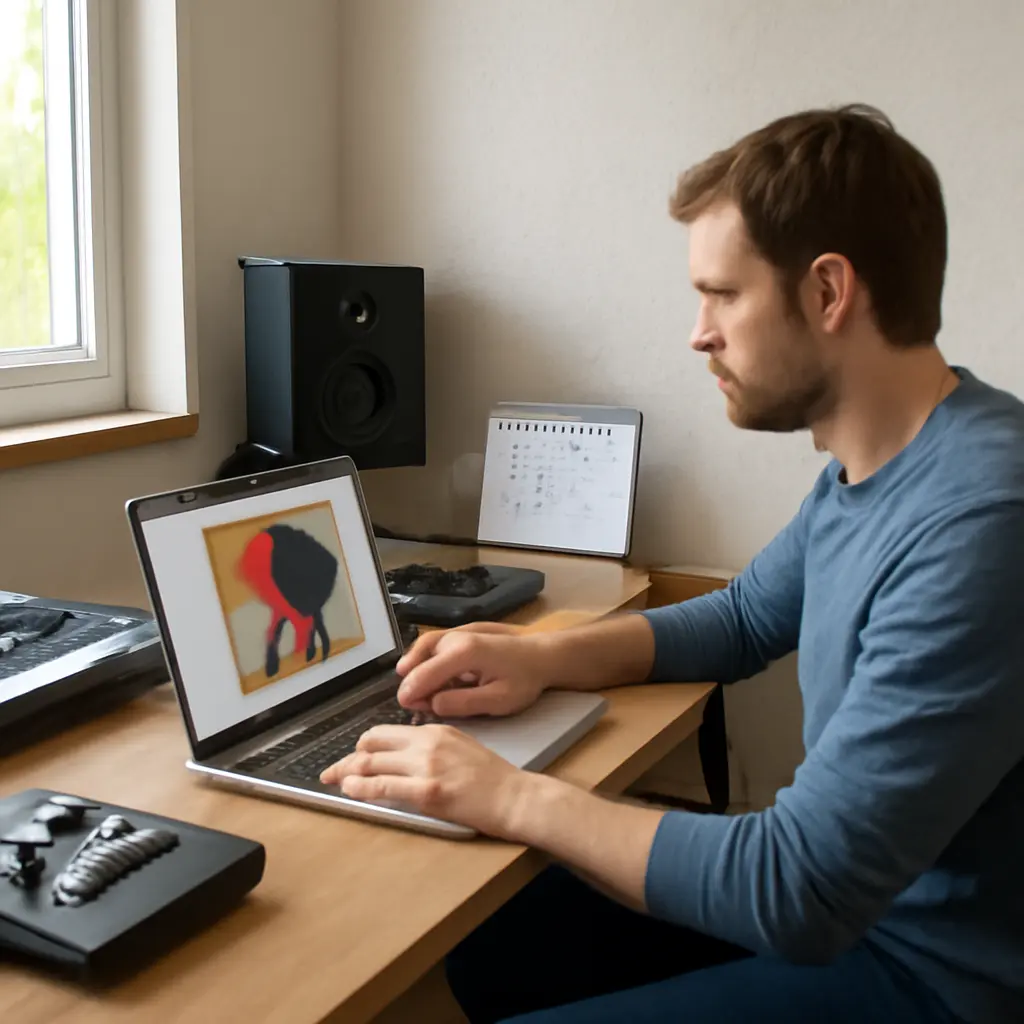
An independent music act can usually choose its own cover art and preferred release date, but “choose” does not always mean “control every step.” The act’s rights depend on who owns the recording and artwork, what its label or distributor agreement says, and whether platforms and marketing partners can meet the requested schedule. For many self-releasing musicians, digital distribution makes both decisions more accessible: distributors let artists submit artwork and select a release date, while services such as Spotify impose technical and delivery requirements. The practical answer is therefore yes—with approval, rights, deadlines, and distribution logistics as important limits.
Independent artists’ control over cover art and release dates
An independent act is a performer or group that releases music without a traditional record-label deal, or operates outside the major-label system. Independence is not a single legal status: an artist may self-release, work with an independent label, or hire a distributor while retaining some or all decision-making authority. The key question is not simply whether an act is “indie,” but who holds the relevant rights and what contracts assign approval power.
The scale of recorded music makes those choices commercially significant. The Recording Industry Association of America reported that U.S. recorded-music revenues reached $17.1 billion at retail value in 2023, with paid streaming accounting for 84% of that total. Those figures do not mean every independent release will reach an audience, but they show why artwork, timing, and platform readiness matter in a market where streaming is the dominant format.
What “independent” control means
Control is the practical ability to make a decision without needing another party’s consent. A self-releasing musician who owns the master recording and artwork and has no conflicting contract generally has broad freedom to choose the image and target date. By contrast, a label agreement may give the label approval rights over visual materials, release plans, or both. A distributor typically delivers music to services rather than acting as the artist’s creative director, but it can still reject a submission that fails its rules or arrive too late to meet the requested date.
The difference between choosing and guaranteeing
An artist can set a preferred date, but cannot guarantee that every platform will publish the release at the exact moment requested. Delivery, review, metadata corrections, regional processing, and platform scheduling can affect availability. Spotify for Artists advises artists to deliver music to their distributor well in advance; its editorial-pitching guidance requires an unreleased track to be delivered at least seven days before release for a pitch to be considered. That is a minimum for that particular pitching process, not a universal safe deadline for every distributor or campaign.
Cover-art ownership and approval for independent acts
Cover art is not just a design choice; it is a creative work governed by copyright and by any agreements made with its creator. The U.S. Copyright Office explains that copyright protection generally arises when an original work is fixed in a tangible form. Commissioning an illustrator or photographer does not automatically mean the musician owns the copyright: the contract should say whether the artist receives an assignment of rights or a license, and what uses that license permits.
Artist-created artwork
When a musician creates the cover, the musician generally owns the copyright in the original artwork, subject to any co-creator or employment arrangement. The artist can normally choose the design and authorize its use on streaming services, physical packaging, merchandise, and promotional material. Before release, the act should still check that the image does not include unauthorized photographs, fonts, logos, samples, or other protected material.
Commissioned art, photography, and licensing
When a designer, photographer, or illustrator makes the cover, the written agreement should identify the permitted uses, territory, duration, credit, payment, and whether the artist may alter or reuse the image. A license can be limited to a particular single or album, while an assignment can transfer ownership. The U.S. Copyright Office’s guidance on copyright ownership and transfers is useful here: rights can be transferred in writing, so a payment receipt or informal message should not be treated as a substitute for clear terms.
Platform artwork requirements
Even an artist-owned image must satisfy delivery specifications. Spotify’s provider guidance requires cover art to be square, at least 640 by 640 pixels, and in an accepted format such as JPEG, PNG, or TIFF; it also prohibits misleading or promotional text and certain third-party logos. Requirements can change and may differ by distributor or service, so artists should check the current rules before final export. A distributor’s technical rejection is not the same as a label’s creative veto, but either can delay a release.
Release-date control and distribution constraints
A release date is the planned day a recording becomes available to listeners. For an independent act, the date is most controllable when the artist owns the recording, has finished all clearances and metadata, and submits the release early enough for the distributor and services to process it. A label or distribution contract may specify who sets the date, how much notice is required, and whether the artist can postpone or withdraw a release.
Self-release through a digital distributor
In a self-release arrangement, the artist commonly chooses a target date through the distributor’s submission system. The distributor sends audio, artwork, and release metadata to participating stores and streaming services. The artist should distinguish the distributor’s submission deadline from the public release date: missing the former can make the latter unreliable. Spotify’s seven-day lead time for editorial pitching illustrates why artists planning playlist consideration should submit earlier than the minimum required merely to deliver a track.
Independent-label agreements
“Independent label” does not automatically mean “artist decides.” A contract may reserve release scheduling, artwork approval, or marketing decisions to the label, or require the parties to consult each other. The act should review clauses covering delivery, commercial release, artwork approval, marketing commitments, and the label’s obligation to release the recording. If the contract is unclear, the artist can seek advice from a qualified music lawyer before committing to a date or paying for campaign costs.
Planning a dependable date
A dependable schedule works backward from the intended release. Allow time for final mastering, artwork approval, rights checks, metadata entry, distributor review, corrections, promotional pitching, and any physical manufacturing. There is no single lead time suitable for every release: a digital single with cleared materials may need less preparation than an album with guest performers, samples, vinyl production, or a coordinated press campaign. Build in a buffer rather than treating a platform’s minimum delivery window as a guarantee.
A practical decision checklist for artists
Before announcing a cover or date, an indie act can reduce avoidable disputes and delays by confirming the following:
- Who owns the master recording, the artwork, and any photographs or design elements?
- Does a label, manager, distributor, publisher, or collaborator have approval or consultation rights?
- Does the artwork license cover streaming thumbnails, social posts, physical editions, and merchandise?
- Does the image meet the distributor’s current file, size, and content requirements?
- Have all featured performers, samples, interpolations, and other third-party materials been cleared?
- Has the release been submitted early enough for corrections, platform processing, and any desired editorial pitching?
- Does the written agreement explain who can change or postpone the date?
Conclusion: independence brings choice, not automatic control
An indie act can often pick its cover art and release date, especially when it owns the relevant rights and self-releases through a distributor. But artwork ownership, label approval clauses, platform specifications, delivery schedules, and clearance issues can limit that freedom. The strongest approach is to secure written rights for the image, check every contract, follow current distributor rules, and submit well before the intended date. Artists preparing a release should review their distributor’s latest delivery guidance and consult a music-rights professional when ownership or approval terms are uncertain.
Sources: Recording Industry Association of America, 2023 Year-End Revenue Report, https://www.riaa.com/reports/2023-year-end-revenue-report/; Spotify for Artists, “Pitching music to our playlist editors,” https://support.spotify.com/us/artists/article/pitching-music-to-playlist-editors/; Spotify, “Cover art requirements,” https://support.spotify.com/us/artists/article/cover-art-requirements/; U.S. Copyright Office, Copyright Basics, https://www.copyright.gov/circs/circ01.pdf; U.S. Copyright Office, Copyright Ownership, https://www.copyright.gov/what-is-copyright/.